
Recipe Details
Gochujang Caramel Cookies
Updated Dec. 10, 2025
Overview
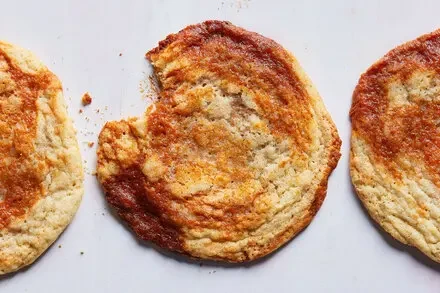
A harmonious blend of sweet, salty, and spicy, these Gochujang Caramel Cookies feature vibrant gochujang streaks that deliver a subtle, warming kick to chewy, golden-brown treats. Total preparation time: 45 minutes.
Ingredients (Yields 4–5 cookies per sheet pan, ~20 total)
Wet Ingredients:
½ cup (8 tablespoons / 115g) unsalted butter, very soft (65–70°F/18–21°C)
2 packed tablespoons dark brown sugar
1 heaping tablespoon gochujang (Korean fermented red pepper paste)
1 cup (200g) granulated sugar
1 large egg, at room temperature
½ teaspoon coarse kosher salt (or ¾ teaspoon Diamond Crystal kosher salt)
¼ teaspoon ground cinnamon
1 teaspoon vanilla extract
Dry Ingredients:
½ teaspoon baking soda
1½ cups (185g) all-purpose flour
Instructions
Prep Time: 25 minutes (includes chilling) | Cook Time: 11–13 minutes | Total Time: 45 minutes
Step 1: Prepare the Gochujang-Brown Sugar Swirl Base
In a small bowl, combine 1 tablespoon softened butter, 2 packed tablespoons dark brown sugar, and 1 heaping tablespoon gochujang. Stir by hand until smooth and creamy (no lumps). Set aside at room temperature to allow flavors to meld slightly before use.
Step 2: Mix the Primary Dough
In a large mixing bowl, add the remaining 7 tablespoons softened butter, 1 cup granulated sugar, room-temperature egg, salt, cinnamon, and vanilla. Whisk by hand for 1 minute until the mixture is light, airy, and smooth. Switch to a flexible spatula, then gently stir in the baking soda. Add the all-purpose flour and mix just until incorporated—avoid overmixing to preserve a tender texture.
Step 3: Chill the Dough
Transfer the dough to a bowl, cover loosely, and refrigerate for 15–20 minutes. This firms the dough slightly, making it easier to handle without sticking.
Step 4: Swirl the Gochujang into the Dough
Remove the chilled dough from the refrigerator. Place the gochujang-butter mixture in 3–4 separate blobs on top of the dough. Using a spatula, perform long, sweeping circular motions to swirl the gochujang into the dough, creating wide, distinct orange-red streaks. Do not overmix—uneven mixing ensures bold, rippled contrast between the beige dough and red gochujang.
Step 5: Portion and Bake
Preheat the oven to 350°F (175°C) and line two large baking sheets with parchment paper. Using a ¼-cup ice cream scoop (or ¼-cup measuring cup), portion the dough into ¼-cup rounds, spacing each at least 3 inches apart on the pans (4–5 cookies per pan).
Bake for 11–13 minutes, rotating the pans halfway through to ensure even browning. Cookies are done when edges are lightly golden and centers appear dry and set (they will continue cooking as they cool).
Step 6: Cool and Store
Allow cookies to cool completely on the baking sheet. They will flatten slightly during cooling, creating a rustic, uneven surface. Store in an airtight container at room temperature for up to 2 days. For longer storage, freeze cookies in a single layer, then transfer to a freezer bag for up to 1 month.
Customer Reviews & Variations
Customer Testimonials:
“These are the best cookies I’ve ever made! My dough was firmer than expected (cold house, drier flour), so I patted it flat, spread gochujang unevenly, rolled into a log, froze 15 minutes, and sliced into thick rounds—24 crunchy, sweet-salty-spicy beauties with a perfect swirl!”
“Bad day? Gochujang Caramel Cookies. Good day? Gochujang Caramel Cookies. Dehydrated? Gochujang Caramel Cookies. Rent due? Gochujang Caramel Cookies.” (A playful testament to their crowd-pleasing versatility.)
“Added Peruvian ginger, Chinese ginger, extra cinnamon, and an egg yolk—splendid! Take out 1 minute early for chewy texture; they harden dramatically during cooling. Smearing extra gochujang on top pre-bake amps up spice.”
Recipe Tips:
Gochujang Selection: Use authentic Korean gochujang (e.g., CJ, Ottogi, or Maangchi brands) for authentic umami and heat.
Texture Tweaks: For softer cookies, reduce chilling time to 10 minutes; for crispier results, chill dough for 25 minutes or add an extra ½ cup flour.
Swirl Technique: For a neater swirl, shape the dough into a log, fill with gochujang, roll, and slice (as suggested by a customer).
Recipe adapted for clarity and professional execution, with tips to elevate texture and flavor based on user feedback.